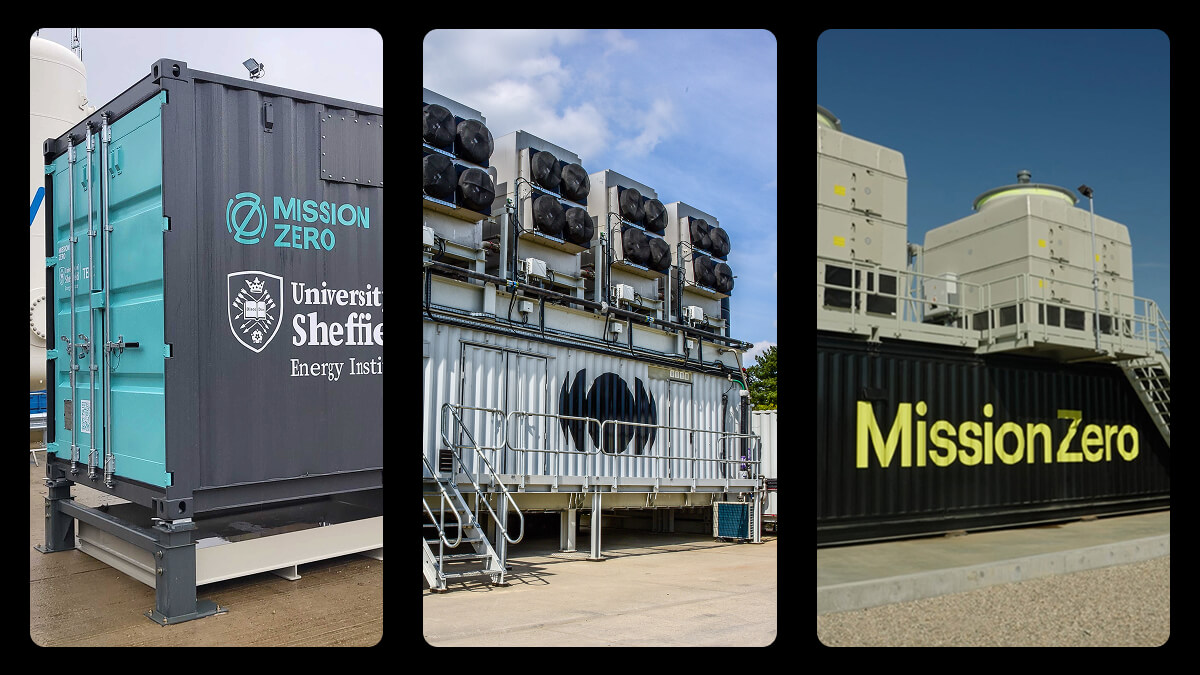

For a climate tech company founded in 2020, turning a back-of-envelope lab concept into operational in-the-field hardware within five years sounds intense. At Mission Zero, we’ve made the journey three times, deploying our first 50 tonne-per-annum (tpa) plant in December 2023 and turning on a further two 250 tpa systems in 2025.
Deploying brand new climate technology in parallel like this involves a hefty amount of risk and — as we definitely felt at times — a little madness. Yet, we believe this pace is absolutely necessary. The expectations surrounding our industry are huge, and we urgently need to reduce costs and unlock optimisations this decade to ensure our solutions can scale to where climate science tells us they need to be in the next.
Having put direct air capture (DAC) on the ground three times, we know first-hand what it actually takes to realise this brand new technology and have built further experience doing so internationally. As we enter the reflective end-of-year season, here’s a summary of the biggest learnings we’ve discovered on our deployment journey so far.
Why quickly deploying direct air capture in the real world is so important
As a concept, building technology to suck carbon dioxide out of the atmosphere still sounds pretty sci-fi. The past few years have seen an intense hype cycle around our industry, bringing huge pressure to prove that DAC is real and actually works. When you consider that the majority of the 200+ DAC companies that currently exist haven’t yet made the leap from lab to real world, that pressure only intensifies.
Yet, beyond responding to public expectations, putting DAC on the ground is just a very good idea from a technical and commercial point of view. As DAC developers, we need to test our technology in as many different environments as possible to better understand how it performs and improve it, and potential customers and financial partners need comprehensive real-world operational data to have the confidence in what we’re doing. Here’s a round-up of the advantages that we have unlocked by prioritising quick and intentional deployment.
Understanding site-specific challenges
Putting tech on the ground in different industrial environments is where true innovation happens. By exposing our systems to a variety of site-specific challenges, such as increased particulates in the air, learnings can be cross-pollinated to benefit other systems and strengthen their performance. Beyond ensuring it works, real world deployment is also the first chance to prove our tech can be successfully engineered to operate — something which cannot be meaningfully determined at lab scales.
Ensuring customer centricity
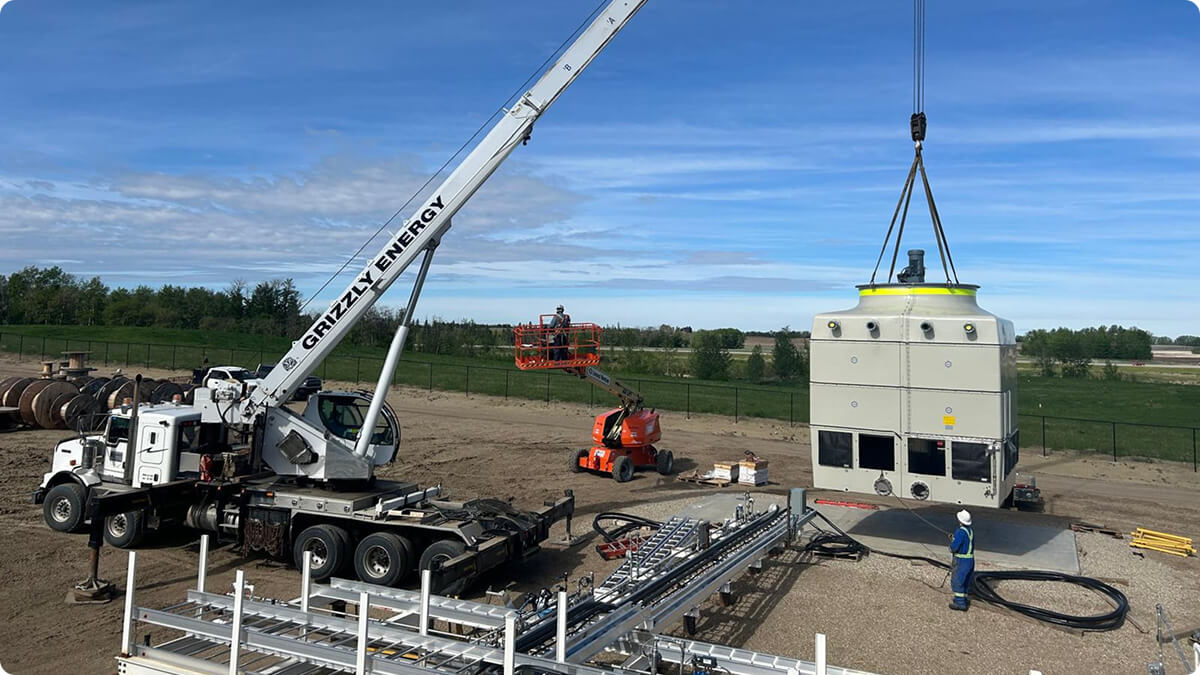
Deploying systems multiple times has enabled us to establish a well-oiled machine for straightforward delivery, installation, commissioning, and handover — even across a seven-hour time difference, in the case of our third deployment in Canada. Having worked with multiple technical teams with different working styles and practices, we are able to offer a highly customer-centric approach and seamless working relationships all built on partner confidence that we will deliver on our promises.
Building climactic versatility
Our in-the-field experience has enabled a much better understanding of temperature thresholds and effects on our process in different locations. Having operated across a temperature range of 0°C to 35°C, we can now model the benefits of different design modifications to increase uptime in different regions.

Navigating compliance and regulation
We’ve learned more about how to operate our systems in a safe and compliant way across different jurisdictions. This includes expanding our understanding of certification and legal landscapes, and flexing to satisfy local requirements — such as power requirement differences — without adding huge costs or introducing delays.
Managing quality and risk
There are certain DAC learnings that can only be figured out at scale once you have an operational plant, such as how to minimise air ingress for a pure CO₂ stream. We now have a much greater understanding of our tech’s critical failure points and know how to adapt for them. With multiple examples to draw on, problem solving is faster and more robust across all of our systems.
🛠️ From design to delivery — see how a Mission Zero direct air capture system comes together.
Our biggest learnings from three DAC deployments
At Mission Zero, we have purposely chosen to connect our solutions to as many different industrial use cases and geographies as possible, instead of scaling within one specific location or vertical. Today, this means we offer the most diverse deployment portfolio of any DAC developer and our team has built broad experience and expertise.
As a result, each deployment has brought unique challenges and lent diverse perspectives to inform our scaling roadmap. While the list is inexhaustive, our headline learnings and debates have centred around the following:
When to scale up vs scale out
Through continuous design optimisation and value engineering, we now have a better understanding of what components are best repeated, what things are best made bigger to maximise cost and operational efficiency, which bits actually make the difference, and where effort is best spent for maximum impact. These learnings have enabled us to quickly make real-world efficiencies and achieve a 60% CapEx cost reduction across our first plants. They’ve also enabled more streamlined R&D, so we focus cost, time, and resource on the things that matter most.
Keeping expertise in-house
We strongly believe that before you ask others to operate or build on your behalf, you should first become the world expert in deploying it yourself. By choosing to perform the majority of design work in-house instead of using EPCs, we have been able to be more flexible, innovative, and hands on in meeting our customers’ needs. We’ve been through the entire end-to-end journey of putting our DAC on the ground multiple times and lived the experience with our partners, allowing us to control quality and offer superior support.
Prioritising supply chain resilience
We’ve massively increased both the maturity and scalability of our supply chain, evaluating over 270 suppliers across numerous work packages in 2025 to secure the right relationships as well as guarantee access to the best-quality components as we grow internationally. This work spans countless site visits, equipment tests, and contract reviews, as well as developing a multi-dimensional supplier evaluation matrix and due diligence frameworks to ensure values-aligned, dependable, and technically excellent relationships which deliver for our customers.
The value of combining lab and real-world data
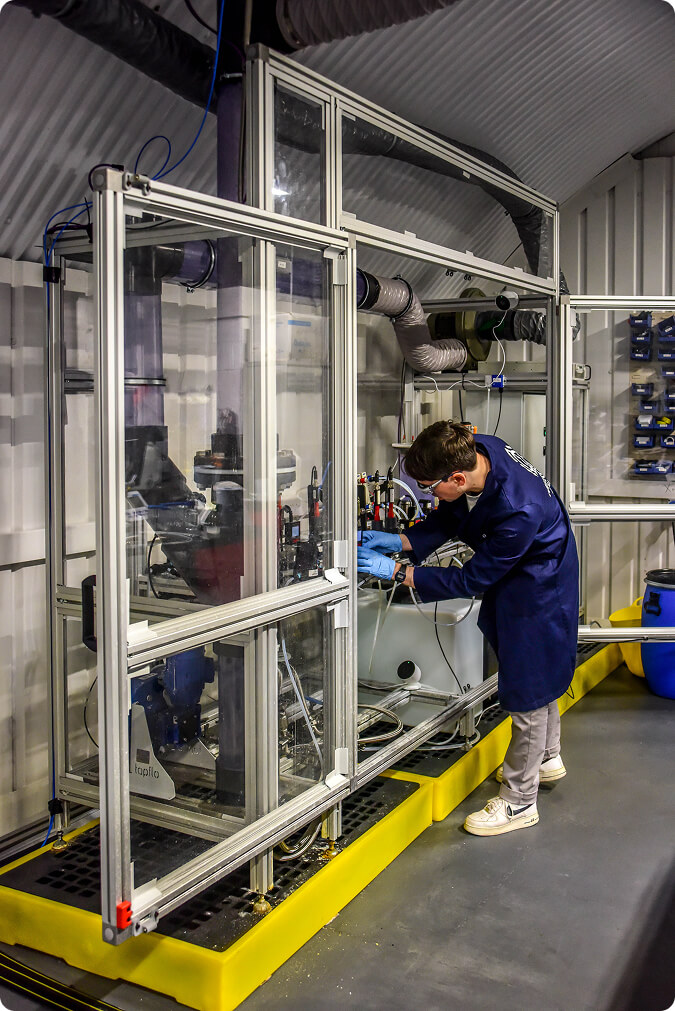
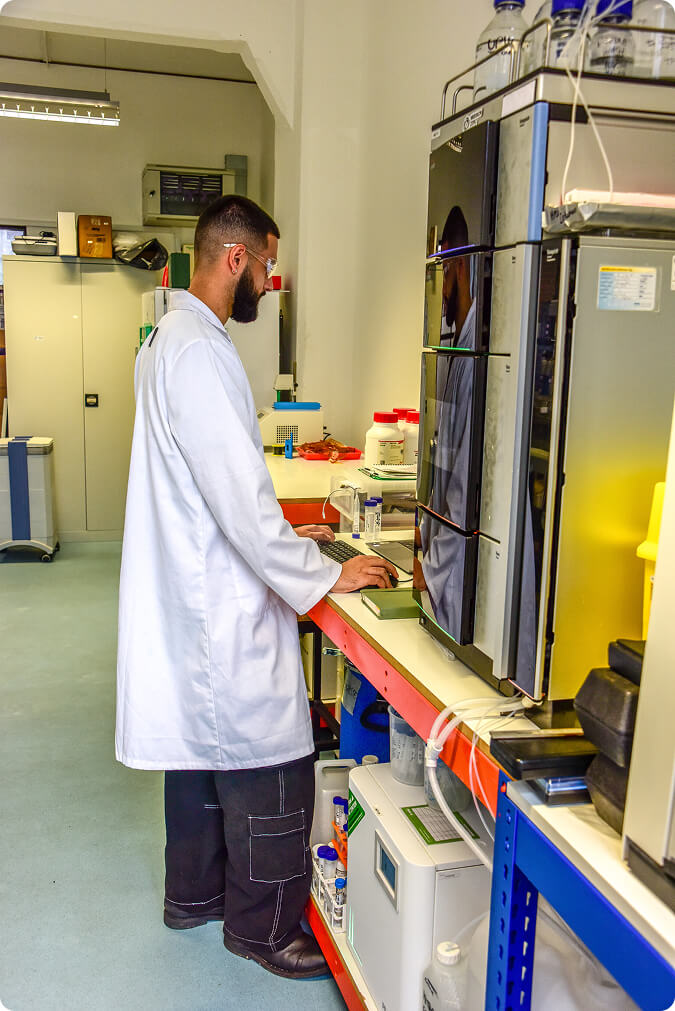
Our growing database of real-world performance data is enabling us to test, iterate, and optimise even faster. Within our London labs we’ve built an integrated test platform containing the exact features of our second operational UK DAC plant which runs 24/7 to collect continuous data. Gathering and corroborating just under 7,000 hours of lab and in-the-field operational data in 2025 alone has helped us make informed decisions for scaled-up designs as well as validate the accuracy of our models.


Top takeaways from our experience
Something implicit that warrants making explicit — delivering all of the above has been intense. It has involved long hours and stints away from home, remarkable problem solving across time zones, and incredible resolve from our team to navigate ambiguity. We’ve learned a lot more about each other and ourselves.
1. Fail fast to learn faster
Designing and building climate hardware for the first time means things go wrong. As frustrating as that feels, it’s important to actually embrace it — protecting a high-trust, blame-free culture that can quickly diagnose, learn, and innovate at speed.
2. Keep courage in spite of ambiguity
In an industry landscape constantly in flux, ambiguity can easily lead to hesitation and decision paralysis — keeping DAC in the lab and the realm of theory. We firmly believe that real-world execution and offering the quickest iteration cycles of any DAC developer offer the best path forward. After all, the ability to be flexible, stay relevant, and adapt are all built on having de-risked the core of what you are doing.
3. Protect time to celebrate the whole
Scaling DAC for maximum climate impact requires much more than brilliant R&D and engineering. This year we’ve matured so much as a cross-functional organism — spanning commercial, operational, and technological disciplines — to ensure our work stays grounded within market economics, customer needs, and our ultimate purpose to reinvent carbon for good. Even in periods of intense delivery, it’s important to pause, take stock, and recognise how much we’ve achieved together.